![[post_title_first_line]](https://exposedabusers.co.uk/wp-content/uploads/2026/02/634455766_895524189906247_2940711182306356275_n.jpg)
❌SAMANTHA RUSH – BISHOP AUCKLAND, COUNTY DURHAM❌
Last year, Samantha Rush was banned from owning equines for three years following a court case in which a young horse, Marvel, was found to have suffered prolonged neglect, resulting in significant pain, illness and distress. This is a matter of public record, reported by both The Northern Echo and Gazette Live.
Despite this ban, serious concerns have now been raised about horses currently kept on land where Ms Rush is understood to remain actively involved in daily operations.
While ownership of the horses is said to be registered in other names, multiple witnesses have reported that:
• Ms Rush continues to run the yard
• She makes decisions regarding the horses
• She refers to the horses as her own
• She is paid by liveries for use of the land
Current observations raise significant welfare concerns, including:
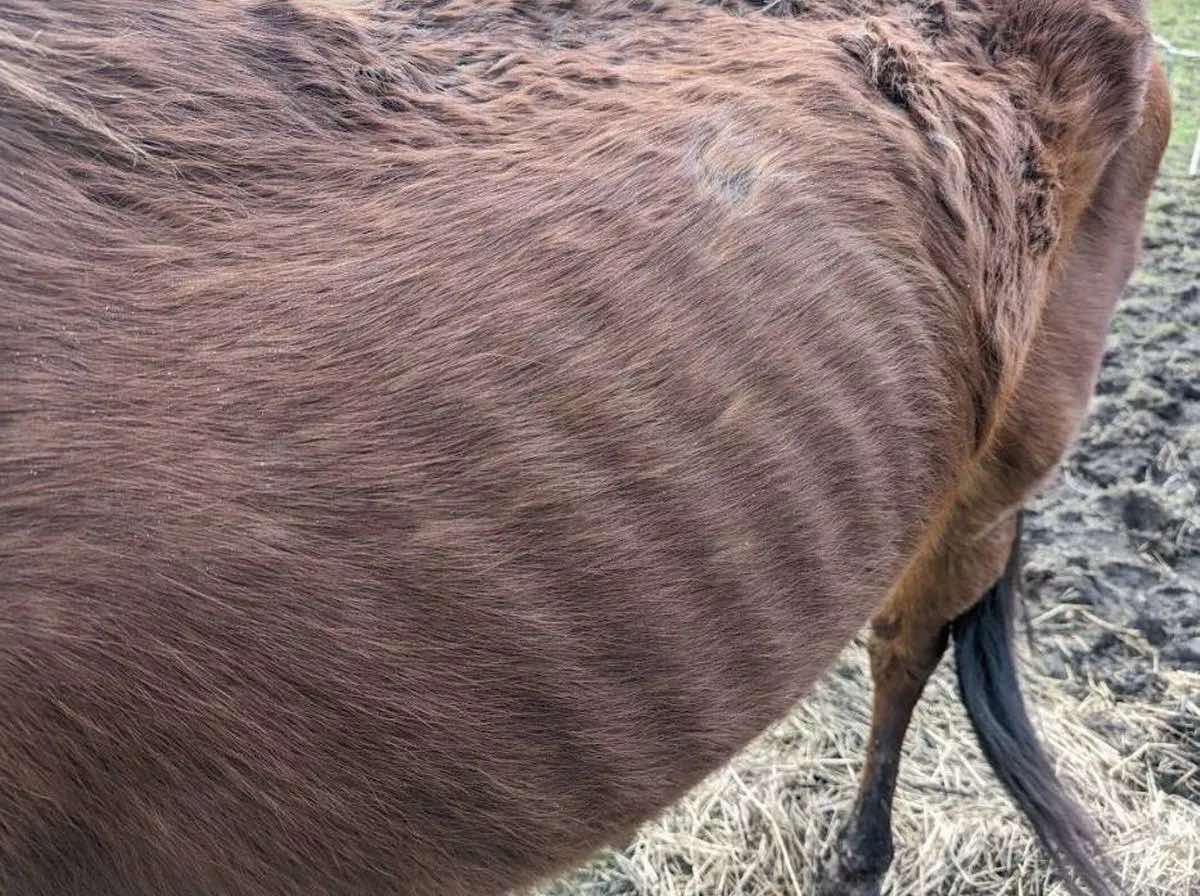
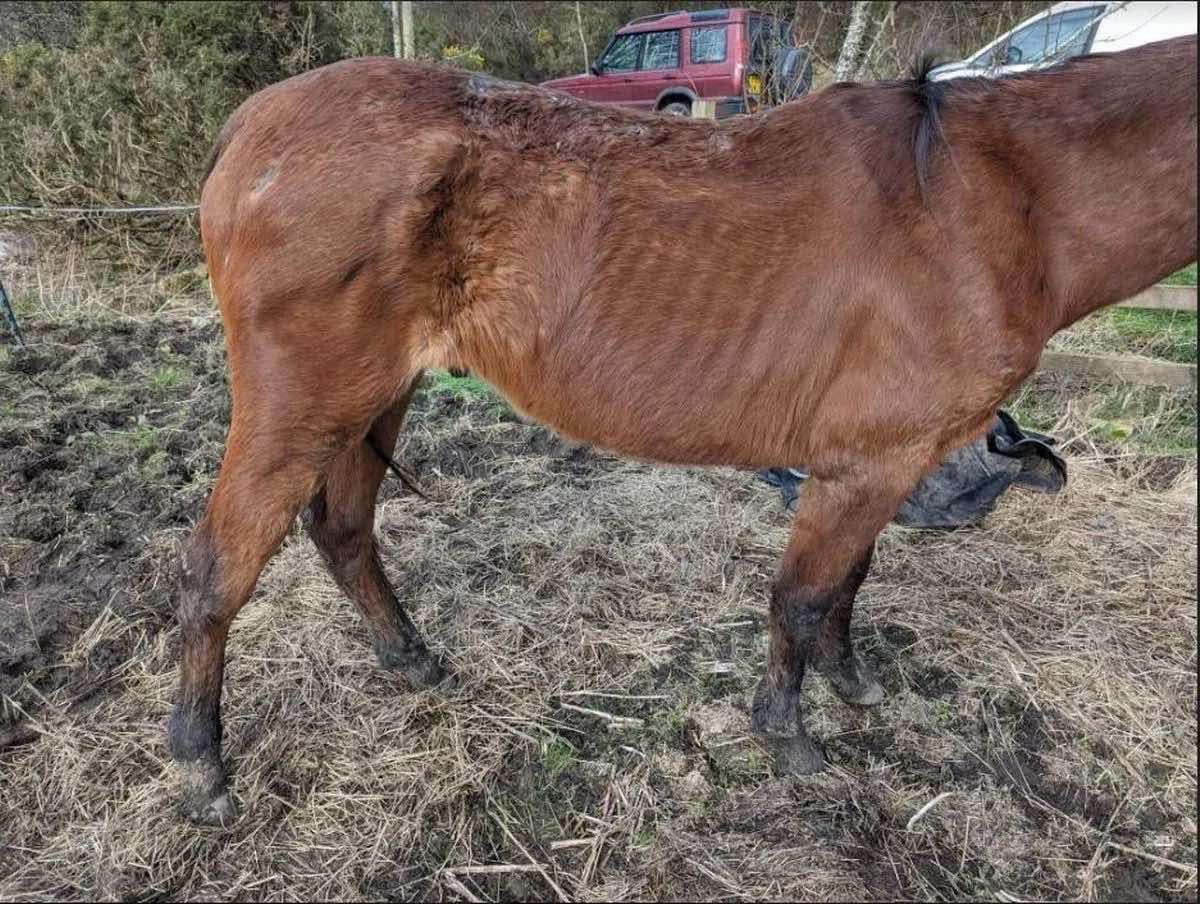
• An elderly horse appearing visibly malnourished
• Other horses with visible injuries
• Requests for veterinary treatment reportedly refused
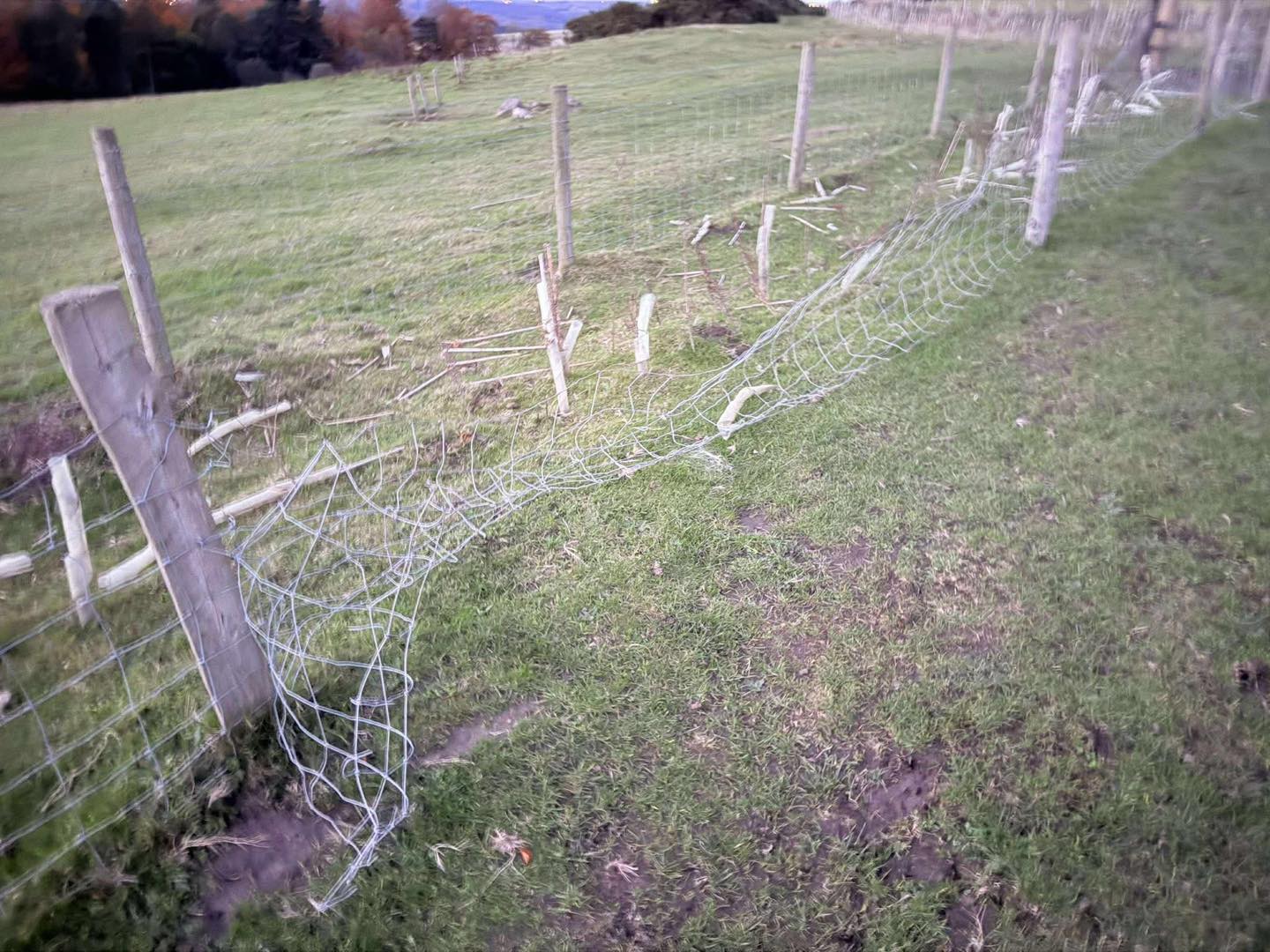
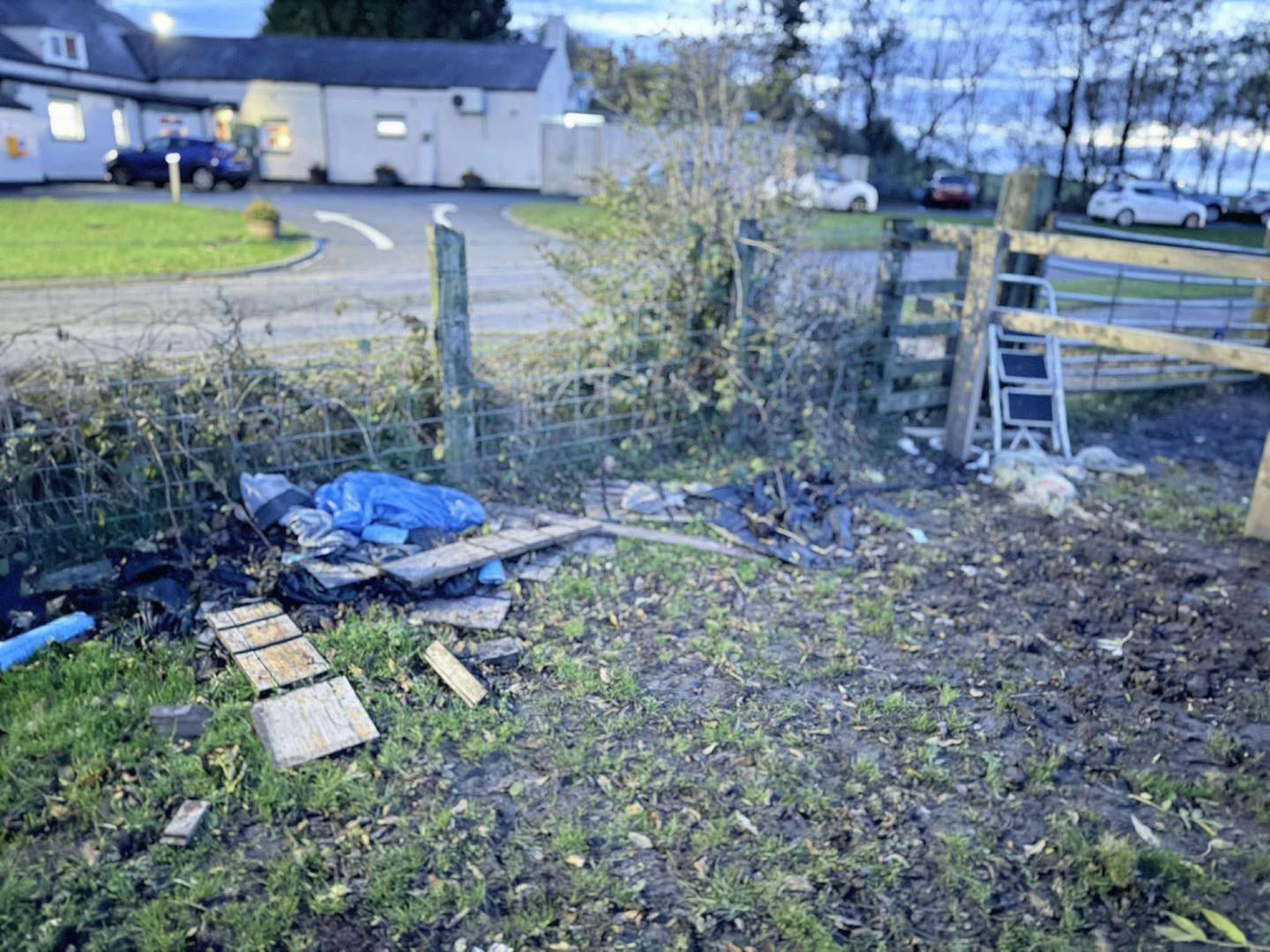
• Poor field conditions unsuitable for equine welfare
These concerns have been reported to the RSPCA, however enforcement is proving difficult due to the apparent change of ownership on paper.
This post is shared to raise awareness, not to speculate or harass, but because animals cannot speak for themselves. Anyone with additional information, photographic evidence, or professional authority is urged to report concerns directly to the RSPCA, Trading Standards, and local authorities.
Animal bans exist to protect animals. When they are bypassed, the consequences can be devastating.
2024. – Horse Left to Suffer in Silence: Owner Banned After Prolonged Neglect Left Young Colt in Pain
A woman has been banned from owning animals after her young horse was found living in a state of prolonged neglect, suffering unnecessary pain, illness and distress.
Samantha Rush, 55, was disqualified from keeping equines for three years after admitting to causing unnecessary suffering to a bay colt named Marvel. The case revealed weeks — and possibly months — of deterioration that left the animal malnourished, lethargic and battling multiple untreated health conditions.
The court heard how Marvel was discovered in a poor and weakened condition, despite wearing two rugs. When the coverings were removed, his suffering became impossible to ignore. His spine and hip bones were clearly visible, his coat showed extensive fur loss, and he appeared withdrawn and lacking energy.
An RSPCA inspector described the scene as harrowing. Marvel was found to be suffering from painful mouth ulcers caused by a lack of routine dentistry, a skin infection consistent with rain scald, and a heavy worm burden. These conditions, combined with poor nutrition and exposure to the elements, significantly contributed to his declining body condition.
Veterinary evidence presented to the court confirmed that Marvel’s suffering was not sudden, but the result of ongoing neglect. Blood tests and clinical assessments showed chronic health issues that had developed over several weeks. A vet told the court the colt’s pain and weakness were entirely preventable had appropriate care been provided.
It was also revealed that Marvel had limited access to water, and that no veterinary treatment had been sought before the RSPCA became involved. Following intervention, Rush agreed to surrender the horse, and ownership was formally transferred to the charity.
The court was told that Marvel’s unwillingness to move may have been caused by pain, exhaustion or both — clear indicators of an animal that had been left to endure suffering without relief.
Magistrates said the case highlighted a serious failure of care and responsibility. Rush was handed a three-year ban from owning equines, marking the seriousness of the neglect and the prolonged pain inflicted on a vulnerable animal unable to advocate for itself.
The RSPCA said the case served as a stark reminder that animal suffering is not always loud or visible — and that neglect, when left unchecked, can be just as damaging as direct cruelty.